Stepping Stones
Stepping Stones
展览出版|空间视觉
展览出版|空间视觉
Exhibition Catalog | Spatial Graphics
Exhibition Catalog | Spatial Graphics
展览出版|品牌形象|空间视觉
03
Instructor: Stephen Serrato
《Stepping Stones》 是一个以展览图录与空间视觉为核心的项目,探讨身份如何在记忆、情感与私人物件之间被重新构建。灵感来自 Woodman、川内伦子、杉本博司等艺术家,项目将“失落—浮现—生成”的主题转化为由阴影、门槛与碎片叙事组成的视觉系统,营造出一个回应疗愈与自我重建的非线性沉浸式体验。
《Stepping Stones》 是一个以展览图录与空间视觉为核心的项目,探讨身份如何在记忆、情感与私人物件之间被重新构建。灵感来自 Woodman、川内伦子、杉本博司等艺术家,项目将“失落—浮现—生成”的主题转化为由阴影、门槛与碎片叙事组成的视觉系统,营造出一个回应疗愈与自我重建的非线性沉浸式体验。
Stepping Stones is an exhibition catalog and spatial graphics project that examines how identity is rebuilt through memory, emotion, and the intimate objects we hold close. Drawing from artists such as Woodman, Kawauchi, and Sugimoto, the project translates themes of loss, resurfacing, and becoming into a system of shadows, thresholds, and fragmented narratives, creating an immersive visual language that mirrors the nonlinear process of healing and self-reconstruction.
Stepping Stones is an exhibition catalog and spatial graphics project that examines how identity is rebuilt through memory, emotion, and the intimate objects we hold close. Drawing from artists such as Woodman, Kawauchi, and Sugimoto, the project translates themes of loss, resurfacing, and becoming into a system of shadows, thresholds, and fragmented narratives, creating an immersive visual language that mirrors the nonlinear process of healing and self-reconstruction.
Instructor: Stephen Serrato
Stepping Stones is an exhibition catalog and spatial graphics project that examines how identity is rebuilt through memory, emotion, and the intimate objects we hold close. Drawing from artists such as Woodman, Kawauchi, and Sugimoto, the project translates themes of loss, resurfacing, and becoming into a system of shadows, thresholds, and fragmented narratives, creating an immersive visual language that mirrors the nonlinear process of healing and self-reconstruction.
《Stepping Stones》 是一个以展览图录与空间视觉为核心的项目,探讨身份如何在记忆、情感与私人物件之间被重新构建。灵感来自 Woodman、川内伦子、杉本博司等艺术家,项目将“失落—浮现—生成”的主题转化为由阴影、门槛与碎片叙事组成的视觉系统,营造出一个回应疗愈与自我重建的非线性沉浸式体验。
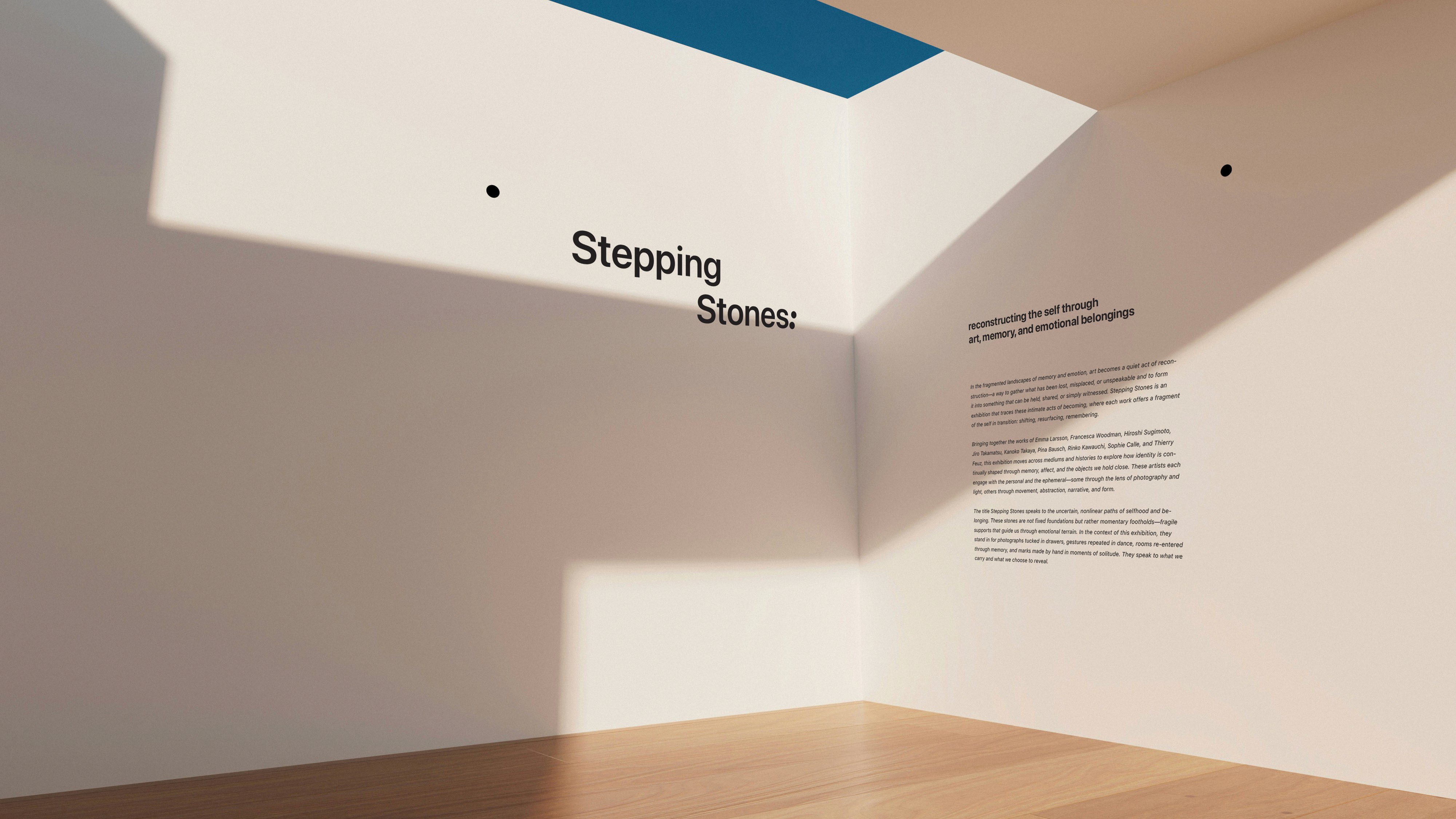
The exhibition wall and posters use motion blur and shifting lines to express unstable memory states, mirroring how emotions surface, fade, and reshape our sense of self.
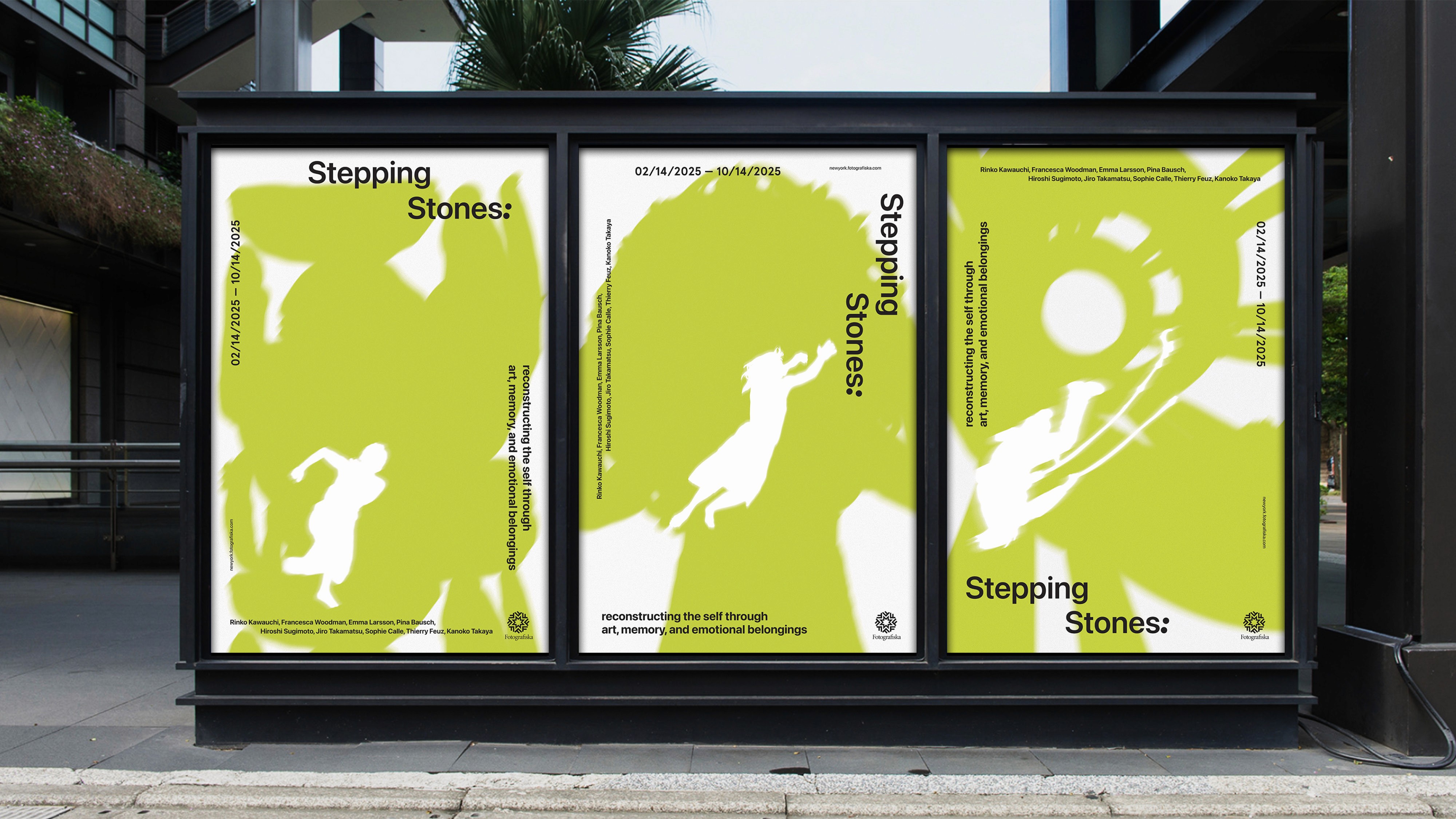
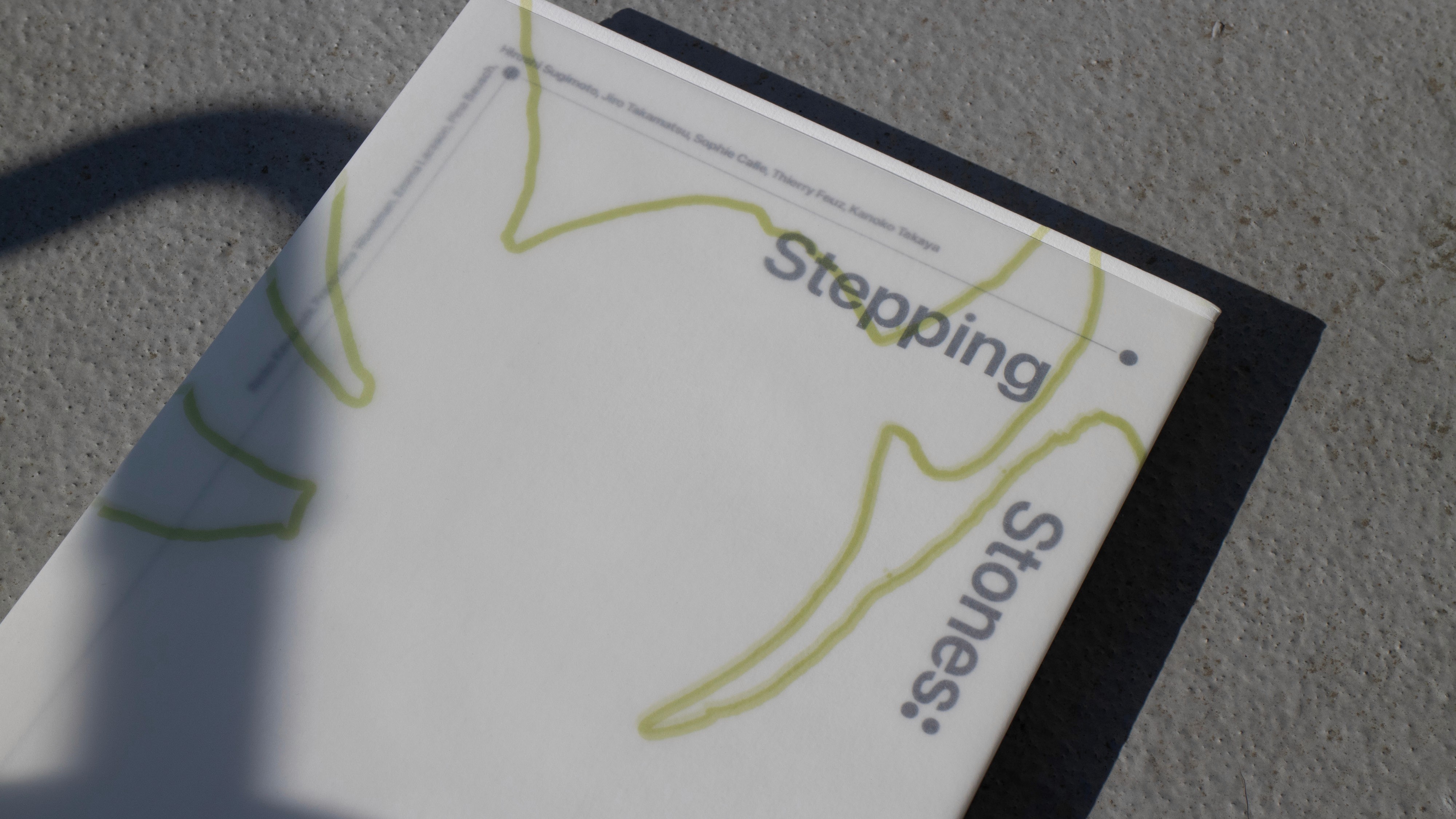
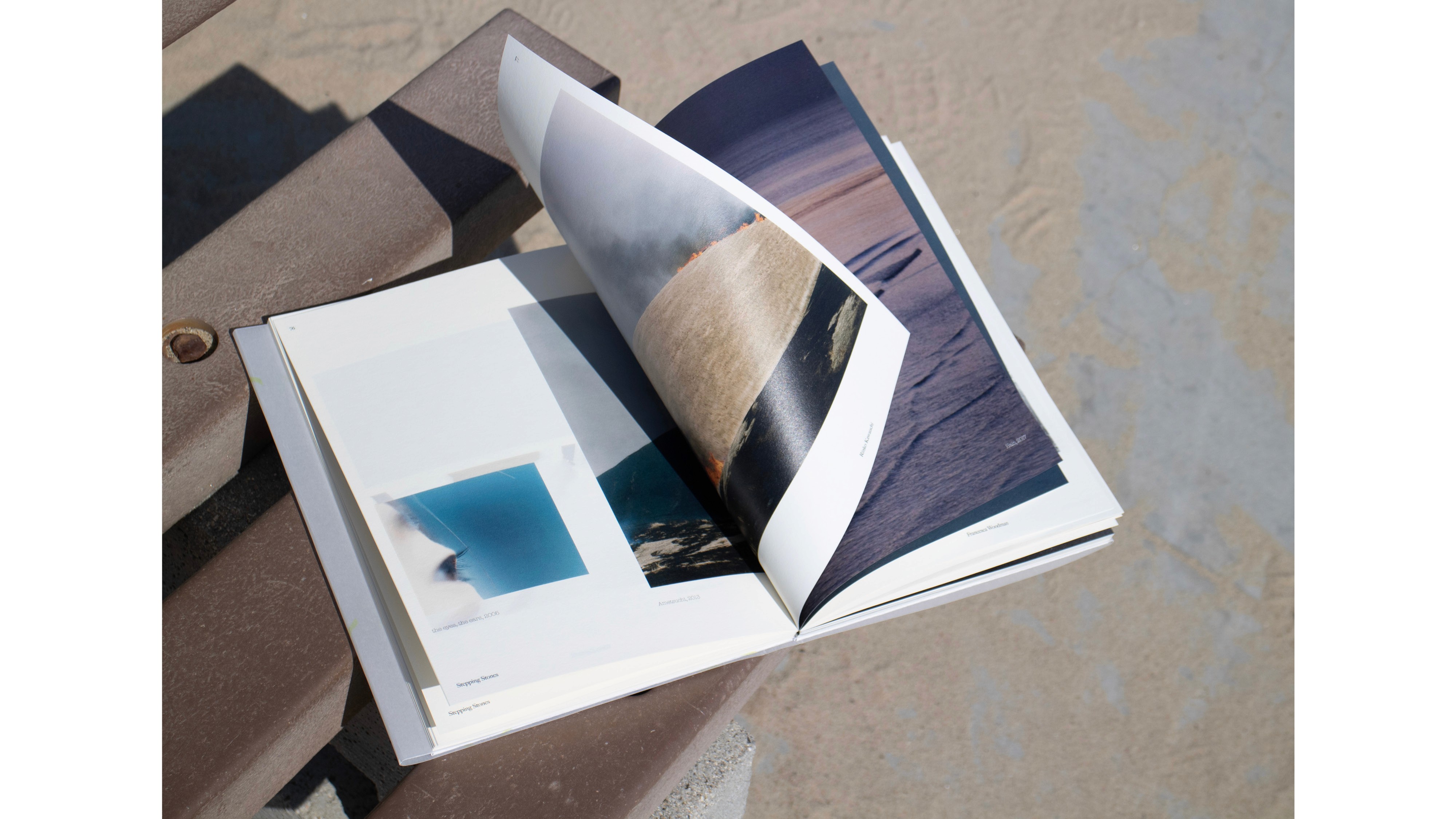
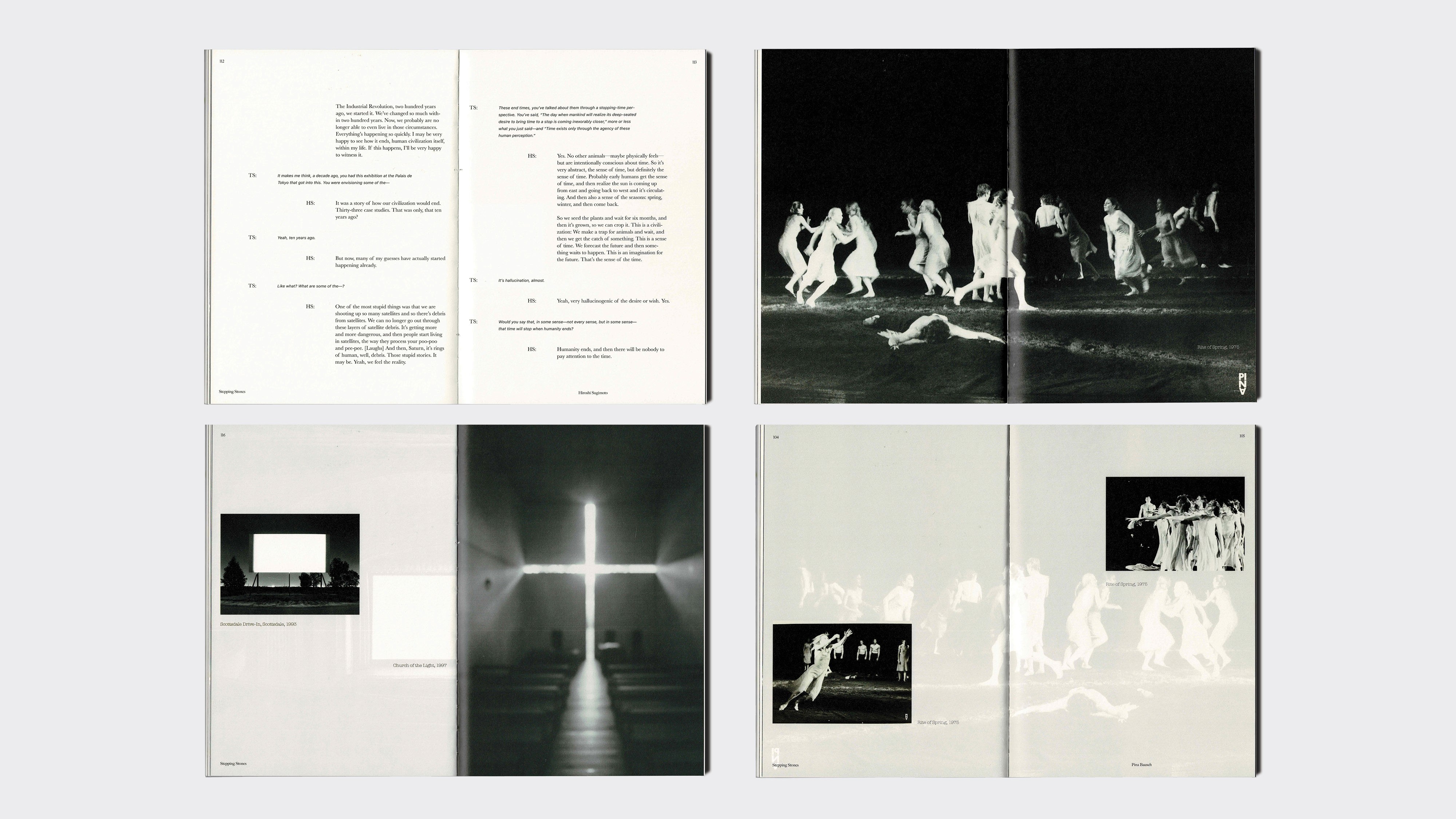
The book design uses nonlinear body text to reflect shifting inner memories and emotions, while exterior subtexts form a framing boundary to allow readers to see the movement and transformation within this evolving “memory container.”
The book design uses nonlinear body text to reflect shifting inner memories and emotions, while exterior subtexts form a framing boundary to allow readers to see the movement and transformation within this evolving “memory container.”
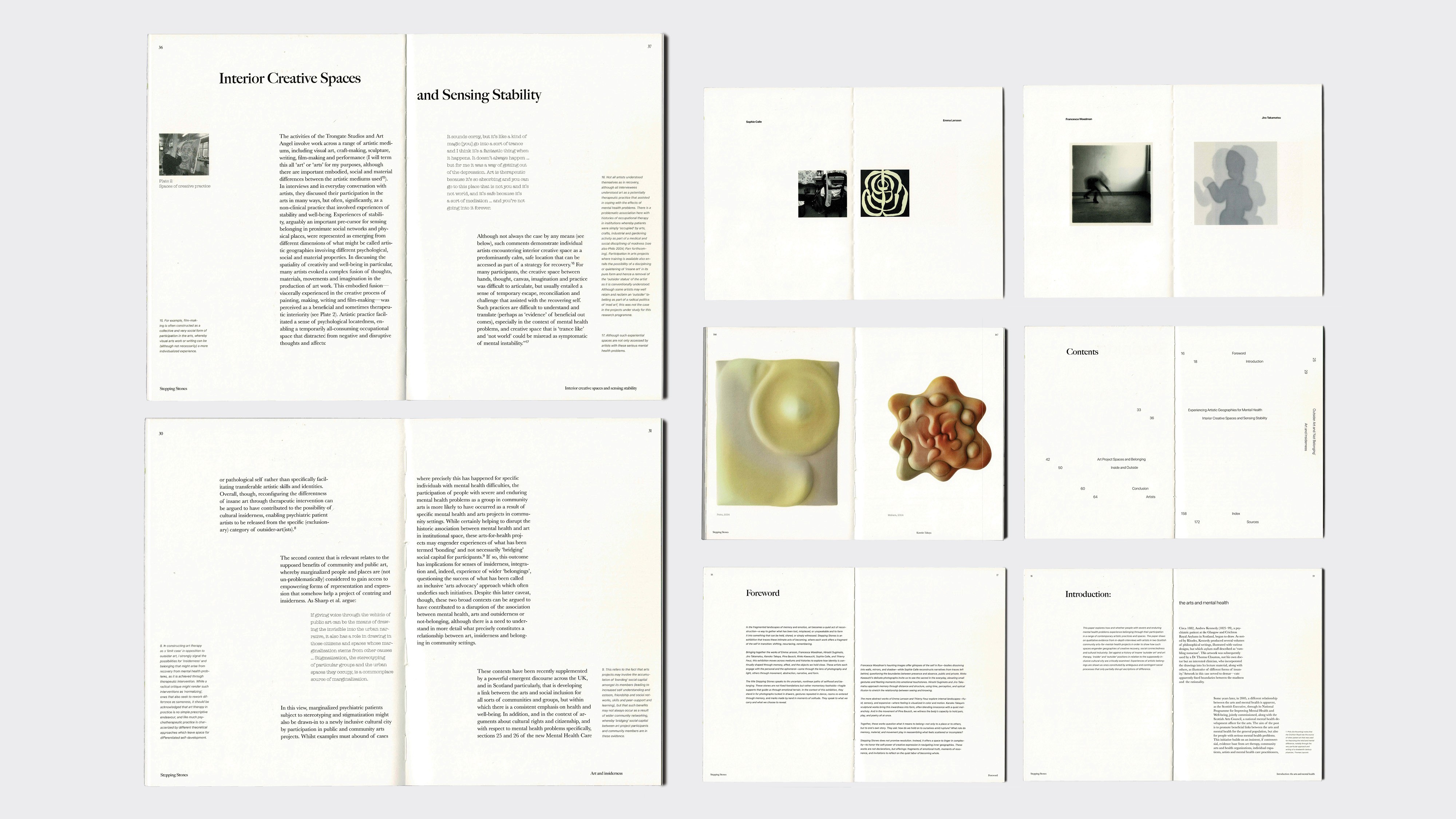
The book design uses nonlinear body text to reflect shifting inner memories and emotions, while exterior subtexts form a framing boundary to allow readers to see the movement and transformation within this evolving “memory container.”
© 2025 Maggie Wenqian Wu All Rights Reserved
© 2025 Maggie Wenqian Wu All Rights Reserved
maggiewwqart@gmail.com
maggiewwqart@gmail.com
Shanghai, China | California, US
Shanghai, China | California, US